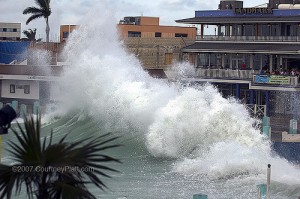
A home security system doesn’t only protect you from burglaries and break-ins, it also plays a key-role in protecting you and your possessions before, during and after natural disasters. If you live in a place that suffers flash flooding or unpredictable rises in nearby water levels, such as irregular ocean tides or overflowing rivers, a flood sensor can save your life. Most people’s bedrooms are located in the upper levels of their home. If your home security system includes a flood sensor, it can alert you to unexpected flooding while you still have time to evacuate yourself and your family. Furthermore, though a home security system cannot protect you from earthquakes, tornadoes or hurricanes; it can protect your property in the confusing aftermath of a natural disaster. Sadly, many criminals take advantage of areas that have been evacuated due to safety precautions at the time of natural disasters. While the National Guard is often called in to protect these areas, looting oftentimes happens. A home security system can alert you or your monitoring center in the event of a break-in, and cameras can record images of the criminals so there’s a good chance of them being caught and you retrieving your stolen possessions.
Obviously, in areas that are at risk of natural disasters, home security goes beyond your home security system. There are many common sense precautions you can take to protect your home from damage, and yourself and your family from injury or worse during these times. If you live in an area that experiences tornadoes or hurricanes, be sure to follow all government instructions in the event of a warning. Have strong boards ready to shut off all doors and windows, and make sure no branches or trees pose the threat of falling onto your home. Areas like California, where earthquakes are commonplace, always live with the fear that a catastrophic seismographic event can occur. Again, be sure to follow all government agencies instructions if this happens. It’s wise to make sure your sleeping area isn’t at risk of anything heavy falling on you while you sleep, and always have an escape route planned. For families, it’s essential to review, and even practice, your escape route with a pre-planned external meeting point in a safe area. For anybody in a high-risk area, make sure you have your emergency survival kit at hand at all times. This includes a flashlight with new batteries, fresh water, high energy bars, a first-aid kit, thermal blankets and a fully charged cell-phone.