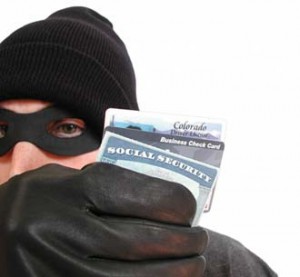
 Though it’s not locked up in any room of your house, a good home security system takes into account the theft of your most important attribute – your identity! And though your identity is not a tangible possession, if you are unfortunate to become the victim of identity theft, it might cost you more than if you were to lose the combined contents of the house your home security system protects. A leading research recently reported that from 2008 to 2009, the incidences of identity theft rose by 11% to 11 million cases. In 2010, experts predict that one in twenty U.S. citizens will have their identity stolen. With numbers this high, it’s important to understand what the crime actually is, and what the far-reaching, and often disastrous consequences are to victims.
Identity theft is defined as the criminal use of your personal information, such as your legal name, social security number, driver’s license number, and bank account and credit card numbers, in order to impersonate you in business, financial and professional matters. Criminals make use of information to gain access to your financial accounts in order to deplete them and even open new accounts, as well as to enter into new loans, such as car loans and even mortgages. In some cases, stolen identities are used to acquire work, residence status and to commit more crimes. The painful reality of identity theft is that it can leave its victims with empty bank accounts, new loans they didn’t agree to, and wrecked credit reports.
So how can you protect yourself? First, it’s important to understand the three ways identity theft usually occurs. First, criminals can steal your legal documents, bankcards and credit cards. Second, they can break into your computer – from anywhere in the world – to access your personal information. And third, they can steal discarded paperwork containing sensitive information, such as bank accounts, loans and other financial statements. Protect yourself by installing a good home security system which includes a safe or fire-proof document box with copies of all important legal and financial documents, as well as all numbers needed to cancel stolen bank and credit cards. In addition, always make sure your computer’s security system is as up-to-date as your home security system. Install a good firewall and anti-virus software program, such as Norton Antivirus Software, and get in the habit of shutting off computers when they’re not in use. Last, but not least, get a shredder to destroy all paperwork before you discard it.