 When most people hear home security, the first thought that comes to mind is burglary prevention. However, crime is not the only threat to your home security. Over 1.5 million fires are reported in the U.S. every year, causing over $11 billion in property damages, more than 16,000 injuries and almost 3,400 deaths. Carbon monoxide poisoning causes hundreds of deaths across the nation each year, usually in homes with gas-powered heating appliances. Sadly, most of these deaths and damages could have been avoided with home security systems that integrated fire alarm systems and carbon monoxide detectors. So if you want better protection for yourself, your family and your property, what follows is a brief explanation of fire alarm systems and carbon monoxide detectors and how they can be a significant addition to your home security.
While smoke detectors are an easy DIY home security fix, many homeowners are unaware that smoke detectors do not offer enough protection from fires. If you’re asleep when a fire breaks out, the fumes and toxic smoke could leave you unconscious. Monitored fire alarm systems, however, alert the fire department immediately, cutting the time between alert and actual appearance of the fire department on the scene to four or five minutes. In homes without monitored fire alarm systems, this is an average of twenty-seven minutes. Nowadays, many home security companies offer integrated fire alarm systems as part of entire home security systems.
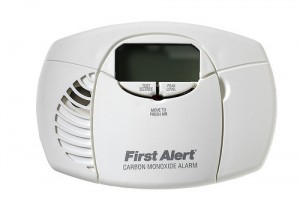
Carbon monoxide detectors for your home security system are available in three types, all of which are designed to detect minimal levels of carbon dioxide in the air. When carbon monoxide is detected, these carbon monoxide detectors, like fire alarm systems and home security systems, set off an alarm to warn homeowners and, when the carbon monoxide detectors are part of a monitored home security system, the fire department. The most affordable carbon monoxide detectors for your home security are biomimetic carbon monoxide detectors, which are sensitive to humidity and temperature. These biomimetic carbon monoxide detectors are usually battery powered, and last about six years. The second option to add to your home security system are oxide semi-conductor carbon monoxide detectors, which are powered by traditional power sources and are sensitive to moisture. These carbon monoxide detectors usually last between five and seven years. The most accurate and expensive carbon monoxide detectors for your home security are electrochemical carbon monoxide detectors, which are battery powered. Stable against temperature and moisture, and less sensitive to other household gases, these are the most trustworthy carbon monoxide detectors. All three types of carbon monoxide detectors can be integrated with fire alarm systems as well as home security systems.
For fully integrated home security systems that include fire alarm systems and carbon monoxide detectors, it’s always a good idea to consult with a home security specialist. And no matter how sophisticated your home security system is, remember to take all sensible precautions to prevent fires and carbon monoxide leaks.
Photo via LCWA1